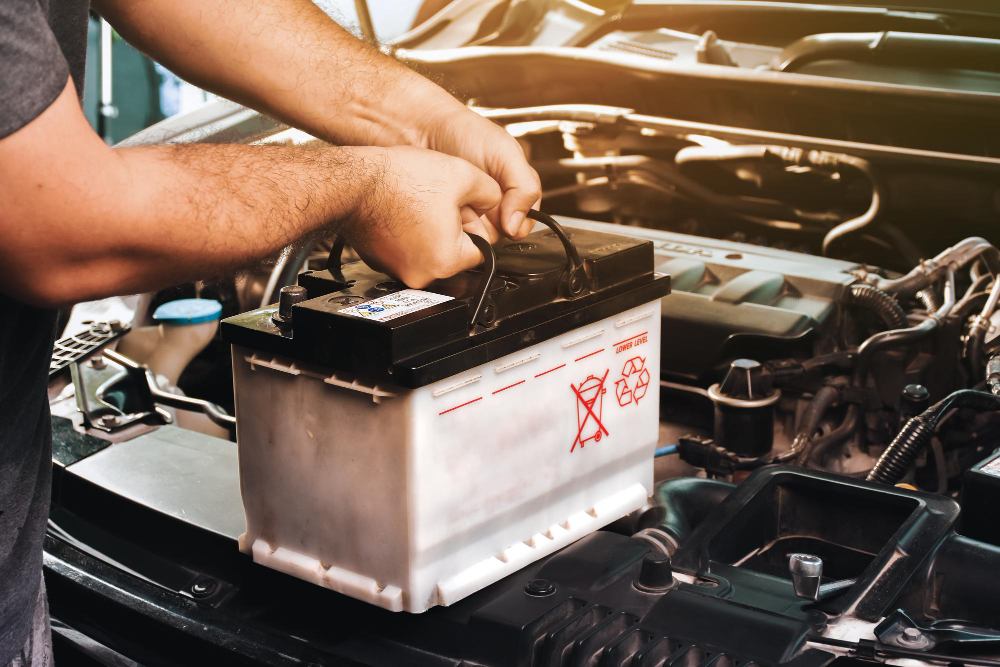
Your car battery plays a critical role in starting your vehicle and powering its electrical systems. Unfortunately, batteries don’t last forever. Knowing the warning signs of a failing battery can help you avoid getting stranded and give you time to replace it before it completely dies.
How Long Does a Car Battery Last?
Most car batteries typically last around 3 to 5 years, although lifespan can vary depending on driving habits, climate, vehicle type, and battery quality.
Extreme temperatures, frequent short trips, and leaving electrical accessories running while the engine is off can all shorten battery life.
Signs Your Car Battery May Need Replacing
Slow Engine Cranking
If your engine takes longer than usual to start or sounds sluggish when you turn the key or press the start button, your battery may be losing its ability to provide enough power.
Battery Warning Light
A battery warning light can indicate an issue with the battery or charging system. It doesn’t always mean the battery itself has failed, so testing the electrical system is recommended.
Dim Lights or Electrical Problems
Weak headlights, flickering interior lights, slow power windows, or other unusual electrical behavior can be signs that the battery is struggling.
Frequent Jump Starts
Needing a jump start once because you accidentally left your lights on is one thing. If your vehicle regularly requires jump starts, the battery should be tested and may need replacement.
An Older Battery
If your battery is approaching 4–5 years old, it’s worth having it checked regularly. Older batteries can sometimes fail with little warning.
Corrosion Around the Terminals
White, blue, or greenish buildup around the battery terminals can interfere with the electrical connection. Minor corrosion can often be cleaned, but recurring or severe corrosion may indicate a larger issue.
Test Before You Replace
Before purchasing a new battery, consider testing your existing one with a battery tester or multimeter. Many automotive professionals can also perform a battery and charging-system test.
This can help determine whether the problem is actually the battery or another component such as the alternator.
Choosing the Right Replacement Battery
When replacing your battery, make sure the new one matches your vehicle’s requirements. Important specifications to check include:
- Battery group size
- Cold Cranking Amps (CCA)
- Reserve capacity
- Terminal configuration
- Manufacturer recommendations
Using the correct battery helps ensure reliable starting performance and proper compatibility with your vehicle.
Stay Ahead of Battery Problems
A failing battery often gives you warning signs before it completely stops working. Paying attention to slower starts, electrical issues, battery age, and other symptoms can help you replace it at the right time.
Keeping a portable jump starter or jumper cables in your vehicle is also a smart backup for unexpected battery problems.
At AutoWeco, you can find automotive batteries, jump starters, battery accessories, and other essentials to help keep your vehicle ready for the road.