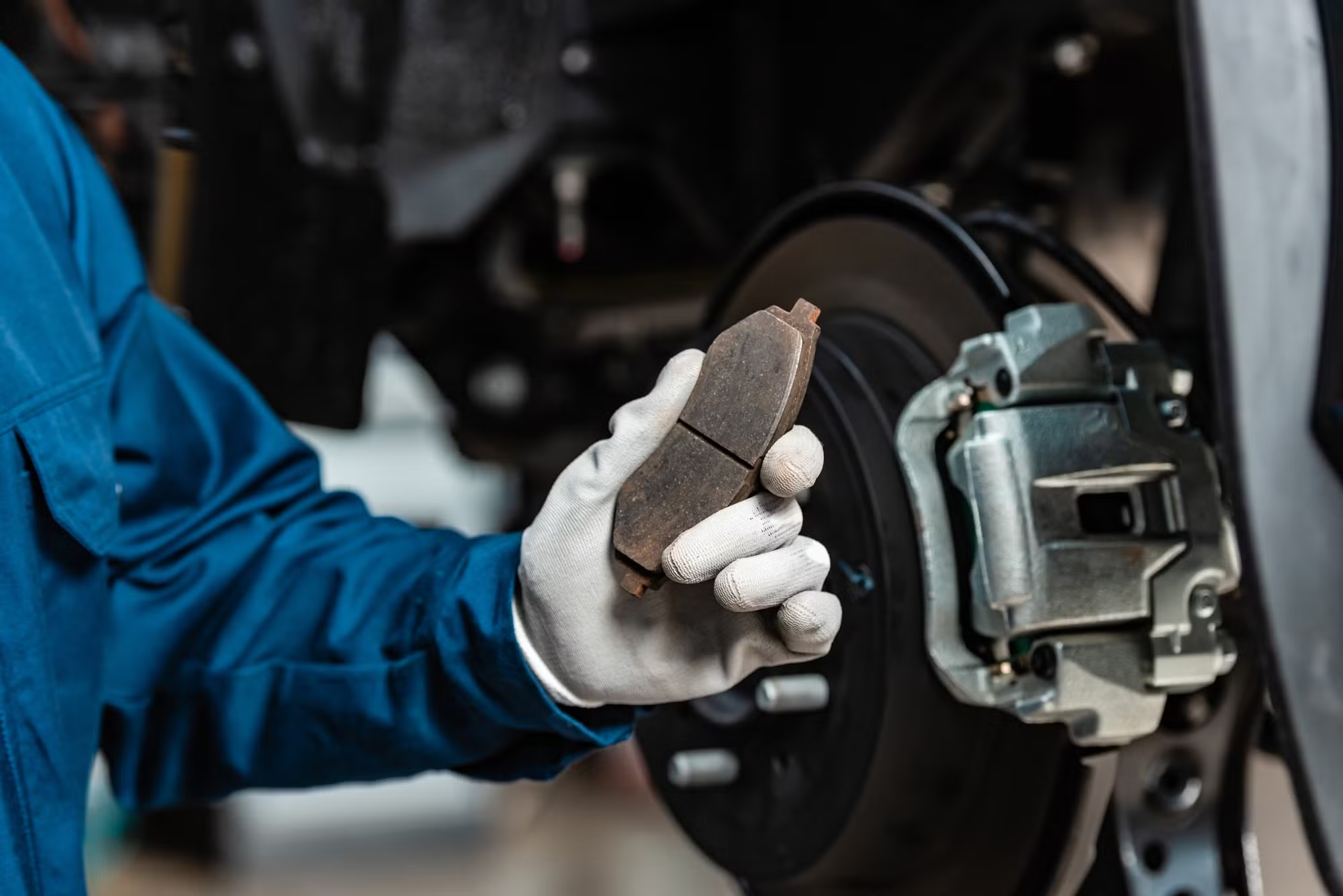
Brake pads are one of the most important wear components in your vehicle’s braking system. They create the friction needed to slow and stop the car, which means they gradually wear down over time.
Knowing the common signs of worn brake pads can help you replace them before they begin affecting braking performance or damaging other components.
How Long Do Brake Pads Last?
Brake pad lifespan can vary significantly depending on the vehicle, pad material, driving conditions, and driving style.
Many brake pads can last anywhere from around 25,000 to 70,000 miles, but some may wear sooner or last longer. City driving, heavy traffic, towing, and frequent hard braking can all increase wear.
Signs Your Brake Pads May Need Replacing
Squeaking or Squealing
A high-pitched squealing sound during braking can be a sign that the brake pads are getting low. Some pads include wear indicators designed to make noise when replacement is approaching.
Grinding Noise
Grinding can indicate that the brake pad material has worn away and metal components are making contact. This should be inspected quickly because it can damage the brake rotors.
Longer Stopping Distance
If your vehicle takes noticeably longer to stop, the braking system should be inspected. Worn pads are one possible cause, although other brake system problems may also be responsible.
Vibration While Braking
Vibration through the brake pedal or steering wheel can indicate uneven braking surfaces, rotor issues, or other problems that require inspection.
Brake Warning Light
Some vehicles have brake pad wear sensors that can activate a dashboard warning when the pads become too thin.
What Causes Brake Pads to Wear Faster?
Brake pad wear is affected by more than just mileage. Driving habits and conditions can make a major difference.
- Frequent stop-and-go traffic
- Hard or aggressive braking
- Driving in hilly areas
- Towing or carrying heavy loads
- Vehicle weight
- Brake pad material and quality
Smoother braking and leaving more distance between vehicles can help reduce unnecessary brake wear.
How to Check Brake Pad Thickness
Brake pads can often be visually inspected through the wheel or after removing it. The remaining friction material should have enough thickness to continue operating safely.
If you are unsure how much material remains, have the brakes inspected by a qualified automotive professional. Waiting until the pads are completely worn can lead to additional repair costs.
Should You Replace the Rotors Too?
Brake rotors do not always need to be replaced whenever new pads are installed. Their condition depends on thickness, wear, scoring, heat damage, and manufacturer specifications.
If the rotors are excessively worn or damaged, replacing or servicing them at the same time can help restore proper braking performance.
Stay Ahead of Brake Wear
Brake pads are designed to wear, but ignoring the warning signs can lead to reduced braking performance and damage to other brake components.
Regular inspections and timely replacement can help keep your braking system working properly and your vehicle ready for the road.
At AutoWeco, you can find brake pads, brake components, tools, and other automotive essentials for vehicle maintenance and repair.